Infrastructure Bill Progress: 1,500 Miles of Roads and Bridges Repaired
Anúncios
Latest developments on Infrastructure Bill Progress: 1,500 Miles of Roads and Bridges Slated for Repair by End of 2026, with key facts, verified sources and what readers need to monitor next in Estados Unidos, presented clearly in Inglês (Estados Unidos) (en-US).
Infrastructure Bill Progress: 1,500 Miles of Roads and Bridges Slated for Repair by End of 2026 is shaping today’s agenda with new details released by officials and industry sources. This update prioritizes what changed, why it matters and what to watch next, in a straightforward news format.
Unveiling the Scope of Infrastructure Bill Progress
The Biden administration has recently announced significant milestones in the implementation of the Bipartisan Infrastructure Law, commonly known as the Infrastructure Investment and Jobs Act. A key highlight is the commitment to repair 1,500 miles of roads and bridges across the United States by the end of 2026.
This ambitious target underscores a concerted effort to address the nation’s aging infrastructure, which has long been a point of concern for commuters, businesses, and safety advocates. The funding allocated through the bill is now translating into tangible projects, with states and local governments initiating work on critical transportation arteries.
The scale of this undertaking reflects a national priority to enhance connectivity, reduce travel times, and improve the overall safety and efficiency of the country’s transportation network. The focus on both roads and bridges signifies a holistic approach to infrastructure revitalization.
Funding Mechanisms and Allocations Driving Progress
The Bipartisan Infrastructure Law provides a substantial financial injection, totaling over $1.2 trillion, with significant portions earmarked specifically for highway and bridge repair. These funds are being distributed to states through various federal programs, often requiring matching contributions to ensure local commitment and shared responsibility.
State departments of transportation and local municipal agencies are the primary recipients and implementers of these funds. They are tasked with identifying the most critical projects, conducting necessary assessments, and overseeing the construction and repair processes to ensure compliance with federal standards and timelines.
The allocation process emphasizes data-driven decision-making, prioritizing projects that demonstrate the greatest need, potential for economic impact, and safety improvements. This strategic distribution aims to maximize the effectiveness of the investment and ensure equitable benefits across different regions.
Initial Projects Underway and Regional Impact
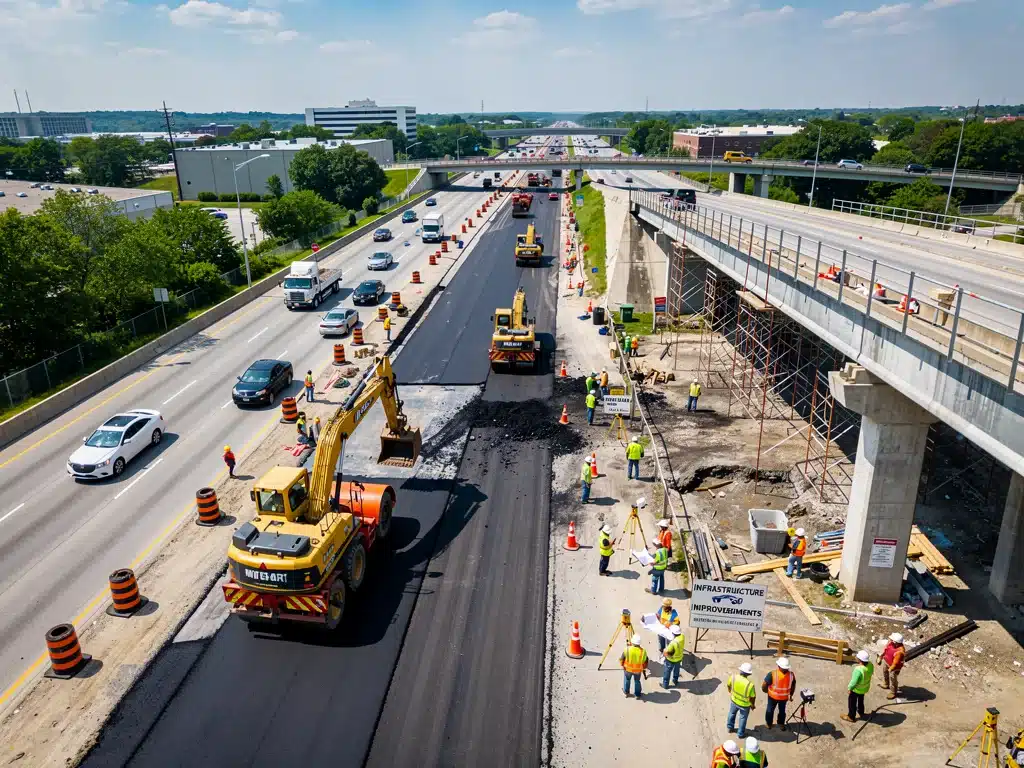
Numerous projects are already underway across various states, ranging from major interstate highway overhauls to the rehabilitation of smaller, locally significant bridges. These initial efforts provide a glimpse into the broader impact of the Infrastructure Bill Progress.
Regions with particularly dilapidated infrastructure are seeing some of the first benefits, with visible construction activity and planned improvements. These early projects serve as vital examples of the bill’s tangible outcomes, showcasing how federal funds are being translated into concrete improvements.
The selection of these initial projects often involves complex logistical planning, environmental reviews, and community engagement. The aim is to ensure that repairs not only address immediate structural concerns but also contribute to long-term sustainability and resilience.
Addressing the Bridge Deficit: A Critical Component
A significant portion of the Infrastructure Bill Progress is dedicated to repairing and replacing America’s structurally deficient bridges. Thousands of bridges nationwide are currently rated as poor, posing safety risks and causing traffic bottlenecks.
The bill establishes dedicated programs, such as the Bridge Formula Program, to specifically target these critical structures. This focused funding allows states to undertake comprehensive bridge rehabilitation projects, from minor repairs to complete replacements, ensuring the longevity and safety of these vital links.
Investing in bridge repair is not just about safety; it’s also about economic resilience. Functional bridges are essential for the movement of goods and people, and their deterioration can severely hamper local economies and supply chains. The current progress aims to mitigate these risks.
Prioritizing Bridge Safety and Longevity
The criteria for selecting bridge projects emphasize structural integrity, traffic volume, and strategic importance to transportation networks. Engineers are employing advanced techniques and materials to ensure that repaired and newly constructed bridges meet modern safety standards and are built to last.
Beyond immediate repairs, the focus extends to long-term maintenance strategies. States are encouraged to develop comprehensive asset management plans that include regular inspections and preventative maintenance, thereby extending the lifespan of infrastructure investments.
This proactive approach aims to prevent future deterioration and reduce the need for costly emergency repairs. The goal is to build a more resilient and sustainable bridge infrastructure that can withstand the test of time and increasing traffic demands.
Road Improvements: Enhancing Connectivity and Efficiency
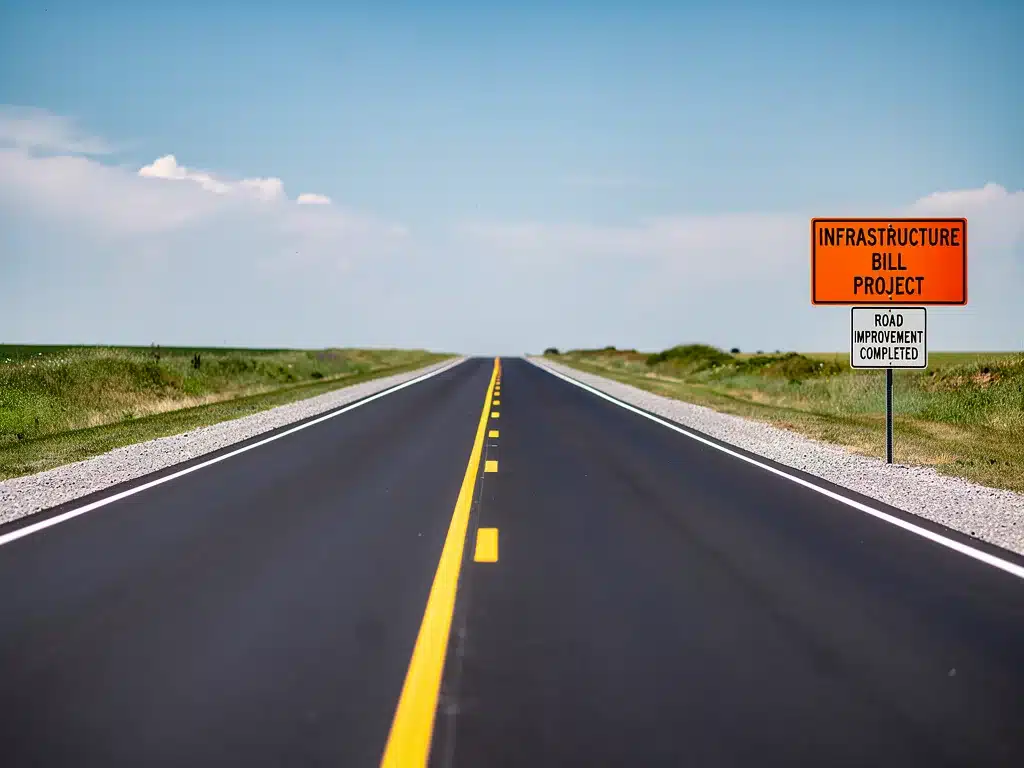
Beyond bridges, the Infrastructure Bill Progress is also making substantial strides in improving the quality of roads across the country. This includes everything from resurfacing dilapidated highways to expanding capacity on heavily trafficked routes.
These road projects are designed to not only enhance driving comfort and reduce vehicle wear and tear but also to improve traffic flow and reduce congestion. Better roads translate to more efficient transportation of goods, benefiting businesses and consumers alike.
The scope of road improvements often extends beyond just pavement. It includes upgrades to signage, lighting, drainage systems, and the integration of smart road technologies to enhance safety and provide real-time traffic information.
Modernizing Road Networks for the Future
Many projects are incorporating modern engineering techniques, such as the use of durable, sustainable materials and innovative construction methods. This ensures that the repaired roads are not just fixed for the present but are built to withstand future demands and environmental challenges.
Furthermore, the bill encourages investments in multimodal transportation options, including dedicated bike lanes and pedestrian pathways alongside road improvements. This holistic approach aims to create more accessible and sustainable transportation environments for all users.
The ongoing road repairs are a direct response to years of underinvestment, aiming to bring the nation’s road infrastructure up to modern standards. This will have a ripple effect, improving daily commutes, facilitating commerce, and supporting overall economic growth.
Challenges and Oversight in Infrastructure Implementation
While the Infrastructure Bill Progress is commendable, the implementation of such a massive undertaking is not without its challenges. These include managing complex logistics, navigating supply chain issues, and ensuring effective oversight of federal funds.
Workforce shortages in the construction industry present a significant hurdle, requiring concerted efforts to recruit and train skilled labor. Additionally, rising material costs and inflation can impact project budgets and timelines, necessitating careful financial management.
To address these challenges, federal agencies are working closely with state and local partners, providing technical assistance and guidance. Robust oversight mechanisms are also in place to prevent waste, fraud, and abuse, ensuring that taxpayer dollars are spent efficiently and effectively.
Economic Impact and Job Creation
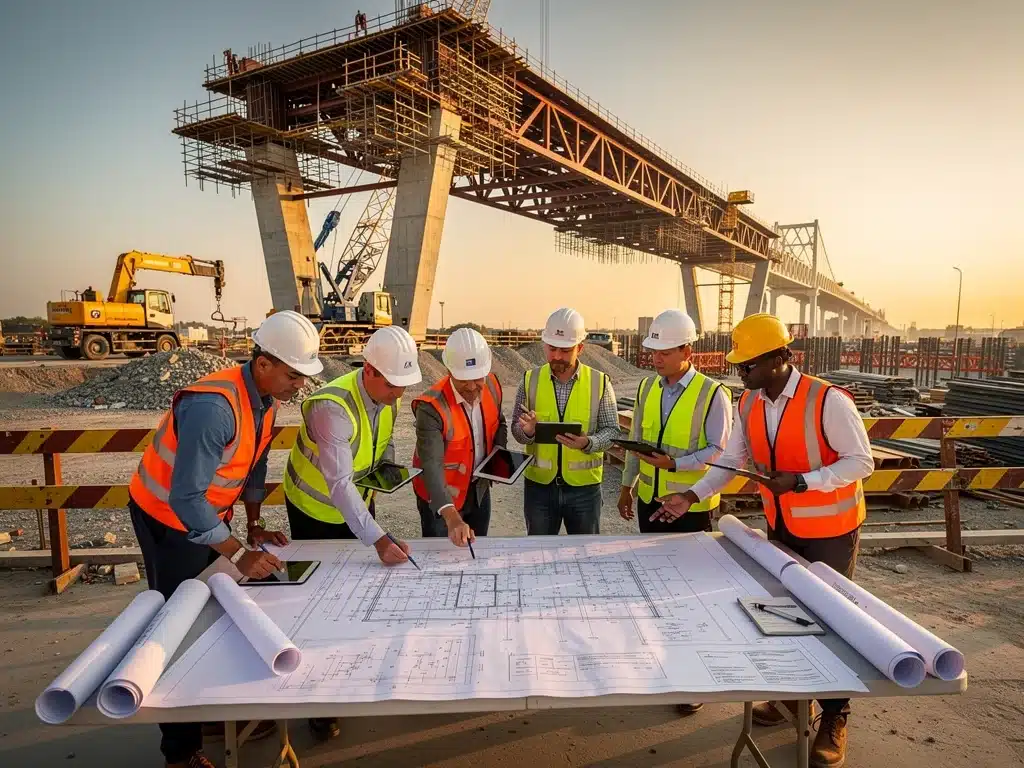
The extensive repair work on 1,500 miles of roads and bridges is expected to generate significant economic benefits across the United States. This includes direct job creation in the construction sector, as well as indirect job growth in related industries.
Beyond immediate job creation, improved infrastructure fosters long-term economic growth by enhancing productivity and competitiveness. Businesses benefit from lower transportation costs and more reliable supply chains, which can lead to increased investment and expansion.
For local communities, better infrastructure can attract new businesses, boost tourism, and improve access to essential services. This holistic economic impact underscores the strategic importance of sustained Infrastructure Bill Progress.
Boosting Local Economies Through Infrastructure Projects
The construction projects often create a demand for local materials and services, further stimulating regional economies. This localized spending circulates money within communities, supporting small businesses and creating a positive economic feedback loop.
Moreover, the long-term benefits of enhanced infrastructure include increased property values and improved quality of life for residents. The ability to travel more safely and efficiently contributes to overall community well-being and economic vitality.
The economic ripple effect of these infrastructure investments extends far beyond the construction sites, touching nearly every sector of the economy. It represents a strategic move to secure America’s economic future and ensure sustained prosperity.
Looking Ahead: Milestones and Future Prospects
The goal of repairing 1,500 miles of roads and bridges by the end of 2026 is an ambitious yet achievable target, given the current pace of Infrastructure Bill Progress. Continuous monitoring and evaluation will be crucial to ensure these milestones are met.
Future prospects include further phases of infrastructure investment, as the Bipartisan Infrastructure Law is a multi-year program. This sustained commitment suggests that even after the initial targets are met, there will be ongoing efforts to modernize and maintain the nation’s infrastructure.
The success of these initial efforts will likely set the stage for future policy decisions and investments, reinforcing the importance of a robust and well-maintained infrastructure for the country’s continued growth and development. The journey toward a fully modernized infrastructure is a long-term commitment.
| Key Aspect | Description |
|---|---|
| Target Milestone | 1,500 miles of roads and bridges repaired by end of 2026. |
| Funding Source | Bipartisan Infrastructure Law, over $1.2 trillion allocated. |
| Economic Impact | Job creation, improved commerce, enhanced local economies. |
| Key Challenge | Workforce shortages, supply chain issues, inflation. |
Frequently Asked Questions About Infrastructure Bill Progress
The primary objective is to repair 1,500 miles of roads and bridges across the United States by the end of 2026. This initiative aims to enhance safety, improve transportation efficiency, and boost economic activity nationwide, addressing long-standing infrastructure deficiencies with significant federal investment.
The progress is funded through the Bipartisan Infrastructure Law, also known as the Infrastructure Investment and Jobs Act. This legislation allocates over $1.2 trillion, with specific portions dedicated to road and bridge repair, distributed to states and local entities for project implementation and oversight.
Priority is given to projects addressing structurally deficient bridges and dilapidated roads that pose safety risks or hinder economic activity. The selection process emphasizes data-driven needs, potential for economic impact, and overall safety improvements, ensuring strategic allocation of resources for maximum benefit.
The economic benefits include significant job creation in construction and related industries, reduced transportation costs for businesses, and improved supply chain reliability. Enhanced infrastructure also attracts new businesses, boosts tourism, and contributes to long-term economic growth and community vitality across the nation.
Key challenges include managing complex logistics for numerous projects, addressing workforce shortages in the construction sector, and mitigating the impact of rising material costs and inflation. Effective oversight and collaboration between federal, state, and local agencies are crucial to overcome these hurdles and ensure successful project delivery.
Looking Ahead
The current Infrastructure Bill Progress marks a pivotal moment in the nation’s commitment to modernizing its foundational assets. The dedication to repairing 1,500 miles of roads and bridges by 2026 is a testament to a renewed focus on long-term stability and economic growth.
What happens now involves continuous monitoring of project timelines, budget adherence, and quality control, as federal and state agencies work in tandem. The outcomes of these initial phases will undoubtedly inform future infrastructure policies and investment strategies.
As the projects unfold, the public can expect to see tangible improvements in their daily commutes and local economies. This ongoing effort is more than just construction; it’s an investment in the future resilience and prosperity of the United States.