2026 FAFSA Changes: Impact on College Financial Aid

Anúncios
Latest developments on FAFSA changes 2026 update, with key facts, verified sources, and what readers need to monitor next in Estados Unidos, presented clearly in Inglês (Estados Unidos) (en-US).
The FAFSA changes 2026 update is shaping today’s agenda with new details released by officials and industry sources. This update prioritizes what changed, why it matters, and what to watch next, in a straightforward news format.
Understanding the FAFSA Simplification Act
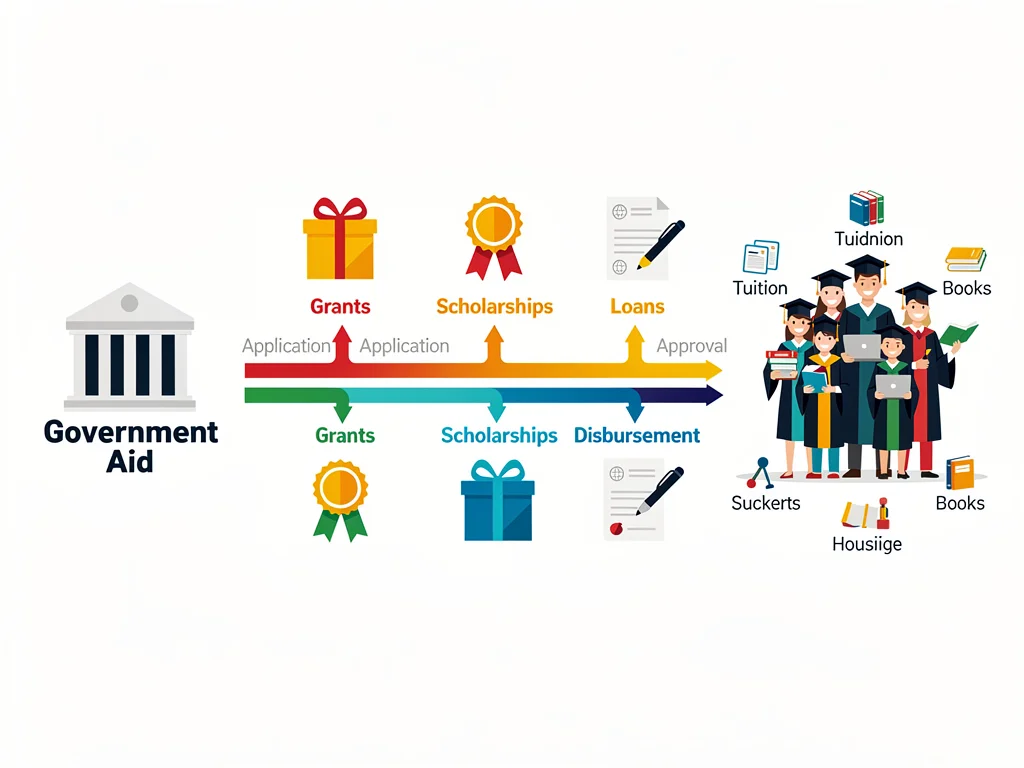
The FAFSA Simplification Act represents a significant overhaul of the federal student aid application process. These changes aim to streamline the application, expand eligibility for aid, and provide a more transparent experience for students and families.
This legislative shift, initiated years ago, is finally taking full effect for the 2026-2027 award year. Its implications are far-reaching, influencing how millions of students access federal grants, scholarships, and loans.
The core objective is to make college more accessible by reducing financial barriers. However, navigating these new rules requires careful attention to detail and understanding of the revised methodologies.
Key Changes Introduced for the 2026 FAFSA Cycle
Several pivotal modifications are central to the FAFSA changes 2026 update, particularly concerning the calculation of financial need. The Student Aid Index (SAI) replaces the Expected Family Contribution (EFC), bringing a new formula to determine aid eligibility.
This new methodology accounts for inflation and offers a more nuanced assessment of a family’s ability to pay for college. It also introduces changes to how certain assets and income sources are treated, potentially benefiting a wider range of applicants.
New Student Aid Index (SAI) Calculation
The SAI calculation is designed to be more equitable, removing several provisions that previously complicated aid determination. For instance, the number of family members in college will no longer be a factor in the SAI formula, which could impact families with multiple children pursuing higher education.
Additionally, certain income exclusions and allowances have been updated to reflect current economic realities. This recalibration is intended to provide a more accurate picture of a family’s financial standing and their actual capacity to contribute to college costs.
- SAI replaces EFC for a clearer aid eligibility metric.
- Inflation adjustments are now integral to the financial need assessment.
- Changes in asset and income treatment aim to broaden aid access.
Impact on Federal Pell Grant Eligibility
One of the most significant aspects of the FAFSA changes 2026 update is the expanded eligibility for Federal Pell Grants. These grants are a cornerstone of federal student aid, providing direct assistance to students with exceptional financial need.
The revised FAFSA form and methodology simplify the process for determining Pell Grant eligibility. This means more students from low-income backgrounds may qualify for this crucial aid, making higher education more attainable.
The new system introduces a direct linkage between a student’s or family’s adjusted gross income (AGI) and federal poverty levels to determine maximum and minimum Pell Grant eligibility. This aims to create a more predictable and transparent process for applicants.
Expanded Access and Simplified Qualification
For some students, the changes could mean automatic qualification for the maximum Pell Grant amount. This streamlined approach reduces complexity and provides clarity early in the financial aid application process, allowing students to plan more effectively.
The Department of Education anticipates that a substantial number of additional students will become eligible for Pell Grants under the new rules. This expansion is a key component of the broader effort to increase college access and affordability across the United States.
- More students will qualify for Federal Pell Grants under new rules.
- Eligibility is now directly tied to AGI and federal poverty levels.
- Automatic maximum Pell Grants are possible for certain income brackets.
Streamlined Application Process and FAFSA Form
The FAFSA changes 2026 update also brings a redesigned application form, significantly reducing the number of questions. This simplification is intended to make the application process less daunting and quicker for students and families to complete.
The new form will be more user-friendly, with clearer instructions and a more intuitive interface. This overhaul addresses long-standing complaints about the complexity and length of the previous FAFSA, which often deterred potential applicants.
Data sharing agreements with the IRS will further simplify the process. Applicants will be able to directly import tax information, minimizing manual entry errors and reducing the time spent gathering documents.

Reduced Questions and Direct Data Exchange with IRS
The number of questions on the FAFSA form has been drastically cut, moving from over 100 to approximately 36. This reduction is expected to alleviate stress and improve completion rates, particularly among first-generation college students and those from underserved communities.
The direct data exchange with the IRS, known as the Future Act Direct Data Exchange (FA-DDX), is a cornerstone of this simplification. It securely transfers federal tax information directly into the FAFSA, enhancing accuracy and reducing the burden on applicants.
Changes to Family Contribution and Asset Reporting
The FAFSA changes 2026 update introduces important modifications to how family contributions are assessed and how assets are reported. These adjustments can significantly alter a student’s eligibility for need-based financial aid.
For instance, certain assets that were previously counted, such as small business equity or family farm values, may now be excluded. This change aims to prevent families from being penalized for owning assets that do not generate substantial liquid income.
Additionally, the treatment of divorce or separation in parental income calculations has been refined. The new rules specify that only the financial information of the parent who provides the most financial support to the student will be considered, rather than the parent the student lived with most.
Exclusion of Small Business and Farm Assets
Under the previous FAFSA, the equity in a family’s small business or farm could significantly increase their EFC, thereby reducing their eligibility for financial aid. The new rules aim to rectify this by excluding these assets from the SAI calculation, recognizing their role as a primary source of income and livelihood rather than an investment.
This particular change is expected to benefit many families, especially those in rural areas or involved in entrepreneurship. It ensures that students from these backgrounds are not unfairly disadvantaged when applying for federal student aid, promoting greater equity in the system.
Implications for Undocumented Students and DACA Recipients
While the FAFSA changes 2026 update primarily focuses on federal aid for eligible students, it’s crucial to understand its indirect implications for undocumented students and DACA recipients. These changes do not directly alter their eligibility for federal financial aid, as federal law still restricts such access.
However, the simplified FAFSA form and expanded Pell Grant eligibility could influence state-level financial aid programs or institutional policies. Many states and colleges use FAFSA data or a similar methodology to award their own aid, and a more accessible federal form could pave the way for broader state-based support.
It’s important for undocumented students and DACA recipients to continue exploring state-specific aid, institutional grants, and private scholarships. The FAFSA changes underscore the ongoing need for advocacy and alternative funding avenues for these student populations.
Preparing for the 2026-2027 FAFSA Cycle
With the FAFSA changes 2026 update on the horizon, proactive preparation is essential for students and families. Understanding the new requirements and timelines will be critical to maximizing financial aid opportunities.
Families should familiarize themselves with the new Student Aid Index (SAI) and how it differs from the previous Expected Family Contribution (EFC). Utilizing online resources and financial aid calculators that incorporate the new methodology can provide valuable insights.
Gathering necessary tax documents and other financial records well in advance will streamline the application process once the new FAFSA becomes available. Early submission is often key to securing aid, as some funds are distributed on a first-come, first-served basis.
Timeline and Key Dates for Applicants
While the exact opening date for the 2026-2027 FAFSA has not been announced, it typically opens in October of the preceding year. Students should monitor the Federal Student Aid website for official announcements and specific deadlines.
It’s also advisable to check individual college and state financial aid deadlines, as these can vary significantly. Missing a deadline could result in forfeited aid, so creating a personalized financial aid calendar is a recommended strategy for all applicants.
- Familiarize yourself with the new Student Aid Index (SAI).
- Collect tax documents and financial records early.
- Monitor official FAFSA opening dates and specific college deadlines.
Resources and Support for FAFSA Applicants
Navigating the FAFSA changes 2026 update can be complex, but numerous resources are available to support applicants. The Federal Student Aid website (StudentAid.gov) remains the primary official source for information, guides, and updates.
Many high schools and colleges offer financial aid workshops and counseling services. These resources can provide personalized assistance, help clarify specific situations, and guide families through the application process effectively.
Non-profit organizations and community-based programs also provide valuable support, especially for students from disadvantaged backgrounds. Leveraging these resources can significantly ease the burden of applying for financial aid and ensure all opportunities are explored.
Leveraging Official and Community Support
The Department of Education is actively working to provide updated tools and guides to reflect the new FAFSA. These resources will be crucial for understanding the revised questions, the SAI calculation, and the expanded Pell Grant eligibility.
Don’t hesitate to reach out to financial aid offices at prospective colleges. Their staff are experts in institutional aid and can offer tailored advice based on the specific programs and scholarships available at their institutions, complementing federal aid.
| Key Change | Brief Description |
|---|---|
| SAI Replaces EFC | Student Aid Index replaces Expected Family Contribution for aid calculation. |
| Expanded Pell Grants | More students, especially low-income, will qualify for Pell Grants. |
| Simplified Application | Fewer questions and direct IRS data exchange streamline the process. |
| Asset Exclusion | Small businesses and family farms may be excluded from asset calculations. |
Frequently Asked Questions About the 2026 FAFSA Changes
The most significant change is the replacement of the Expected Family Contribution (EFC) with the Student Aid Index (SAI. This new formula aims for a more equitable assessment of a family’s financial strength and broader eligibility for federal student aid, particularly Pell Grants.
The 2026 FAFSA changes are expected to significantly expand Pell Grant eligibility. The new methodology directly links eligibility to a student’s or family’s adjusted gross income (AGI) relative to federal poverty levels, making it more accessible for low-income students.
Yes, the application process is designed to be much easier. The number of questions has been drastically reduced, and the Future Act Direct Data Exchange (FA-DDX) allows for direct, secure import of tax information from the IRS, minimizing manual entry and errors.
Yes, under the 2026 FAFSA changes, the value of small businesses and family farms may be excluded from asset calculations. This is a significant benefit for these families, as it prevents their primary source of livelihood from negatively impacting their aid eligibility.
Students and families should start preparing now by understanding the new SAI methodology and gathering necessary financial documents. While the 2026-2027 FAFSA typically opens in October 2025, early preparation ensures a smoother and more successful application process.
What this means
The FAFSA changes 2026 update represents a pivotal moment for college financial aid, aiming to create a more equitable and accessible system. These reforms will reshape how millions of students fund their higher education, emphasizing the importance of understanding the new Student Aid Index and expanded Pell Grant opportunities.
Families and students must proactively engage with the updated information, leverage available resources, and prepare for the streamlined application process. Staying informed about official announcements and college-specific deadlines will be crucial for maximizing financial aid prospects.
The long-term implications point towards increased college affordability for a broader demographic, but success hinges on diligent navigation of these significant changes. This update truly marks a new era in federal student aid, demanding attention and strategic planning from all stakeholders.