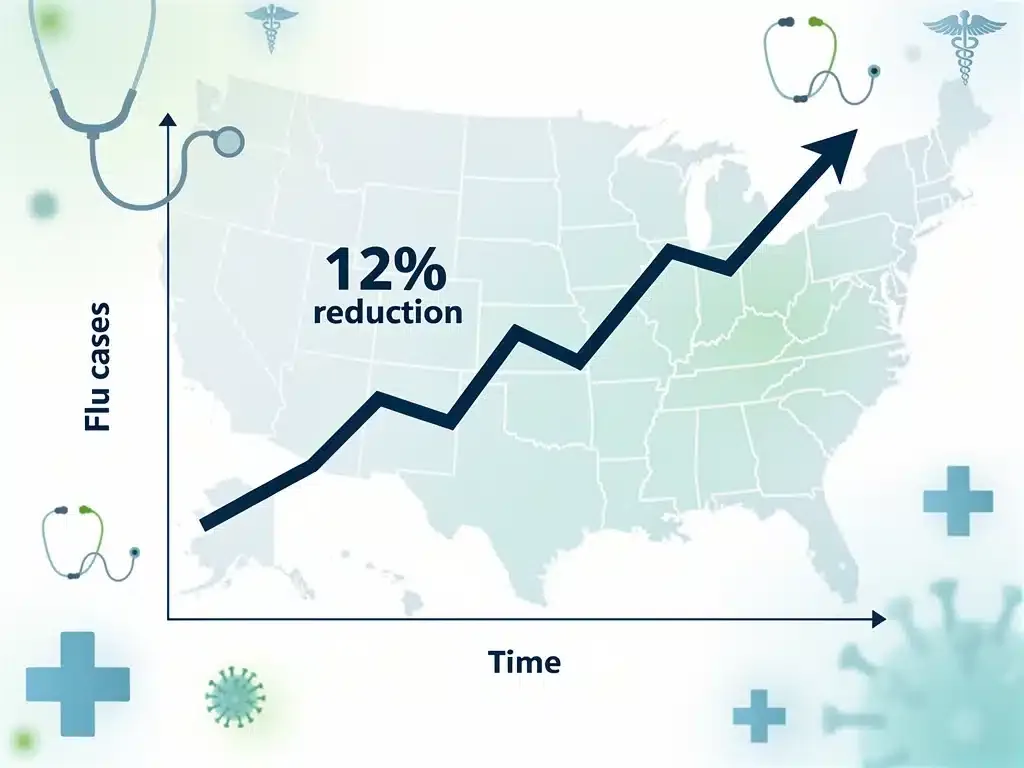
Public Health Advisory: CDC Reports a 12% Decrease in Seasonal Flu Cases Compared to Last Year’s Peak
Anúncios
The CDC’s 2026 Health Agenda prioritizes preventive care, health equity, and upgraded community wellness programs across the United States.
Driven by new policy framework releases, here is what changed in public health priorities, why these shifts matter for healthcare providers, and the key implementation milestones to monitor next.
Understanding the Core Pillars of the CDC 2026 Health Agenda
The CDC’s 2026 agenda is structured around several foundational pillars designed to address pressing public health challenges effectively.
These pillars include strengthening health infrastructure, advancing health equity, and fostering innovation in disease surveillance and response.
The agency aims to create a robust framework that supports both immediate health needs and long-term preventative strategies.
Anúncios
This holistic approach is intended to ensure that public health interventions are comprehensive and sustainable.
Each pillar is supported by specific objectives and measurable outcomes, providing a clear roadmap for implementation and accountability.
The success of these initiatives hinges on widespread collaboration and consistent execution across all levels of government and community.
Strengthening Public Health Infrastructure
A key focus of the CDC 2026 Health Agenda is the modernization and reinforcement of the nation’s public health infrastructure.
This involves upgrading technological capabilities, enhancing data systems, and ensuring a well-trained public health workforce capable of responding to evolving threats.
Investments in these areas are critical for effective disease monitoring, rapid outbreak response, and the efficient delivery of health services.
A strong infrastructure forms the backbone of any successful national wellness program.
Anúncios
The CDC emphasizes that a resilient infrastructure is not merely about physical assets but also about interconnected systems and skilled personnel ready to adapt to new challenges.
This modernization is seen as essential for future readiness.
- Upgrading data collection and analysis systems for real-time insights.
- Investing in public health workforce development and training programs.
- Enhancing laboratory capacities for faster diagnostics and research.
Advancing Health Equity and Addressing Disparities
Another critical component of the CDC 2026 Health Agenda is its commitment to advancing health equity.
The agenda explicitly targets the reduction of health disparities that disproportionately affect marginalized and underserved communities across the United States.
This involves implementing tailored interventions, ensuring equitable access to healthcare services, and addressing social determinants of health.
The CDC recognizes that achieving national wellness requires addressing systemic inequalities.
Strategies include community-based programs, culturally competent health education, and policies designed to remove barriers to care.
The goal is to ensure that everyone has a fair and just opportunity to attain their highest level of health.
The CDC’s approach to health equity is not just about equal access but also about equal outcomes, acknowledging the complex interplay of social, economic, and environmental factors.
This comprehensive strategy seeks to embed equity into every aspect of public health planning.
Disease Prevention Strategies: A Proactive Stance
The CDC’s 2026 agenda places a strong emphasis on proactive disease prevention strategies, moving beyond reactive responses to health crises.
This involves a multi-faceted approach to reduce the incidence of both infectious and chronic diseases.
Key initiatives include enhanced vaccination campaigns, robust health education programs, and interventions aimed at promoting healthy lifestyles.
The goal is to prevent illness before it occurs, thereby reducing healthcare burdens and improving quality of life.
These prevention efforts are central to the overall vision of the CDC 2026 Health Agenda, aiming to build a healthier population from the ground up.
Early intervention and sustained behavioral changes are paramount for long-term success.
Targeting Chronic Diseases
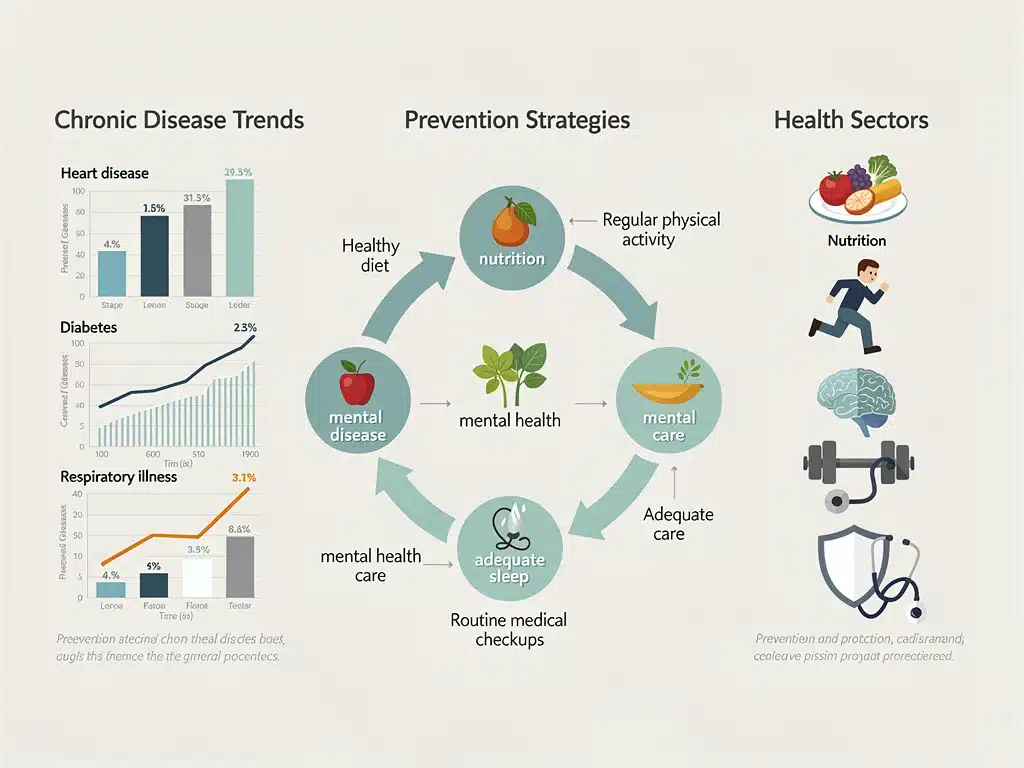
Chronic diseases such as heart disease, diabetes, and cancer continue to be leading causes of morbidity and mortality in the U.S.
The CDC 2026 Health Agenda outlines aggressive strategies to combat these conditions through prevention.
This includes promoting healthy eating habits, encouraging regular physical activity, and expanding access to preventive screenings.
Public awareness campaigns will play a vital role in educating citizens about risk factors and healthy choices.
The CDC is also focusing on supporting healthcare providers with resources and guidelines to integrate preventive care more effectively into routine medical practice. This collaborative effort is essential for a nationwide impact.
- Implementing nationwide campaigns to promote healthy diets and active living.
- Expanding access to preventive health screenings and early detection programs.
- Developing partnerships with community organizations to deliver localized prevention initiatives.
Combating Infectious Diseases
While chronic diseases remain a priority, the CDC 2026 Health Agenda also reinforces efforts to prevent and control infectious diseases.
This includes enhancing surveillance systems, improving vaccine distribution, and preparing for future pandemics.
Lessons learned from recent global health crises are being integrated into new protocols and response plans. The CDC aims to ensure that the nation is better equipped to handle emerging infectious threats.
Research and development into new vaccines and treatments are also critical components of this strategy, underscoring the importance of scientific innovation in public health.
International collaboration remains a key aspect of this global challenge.
The agency is also working to strengthen immunization programs for common infectious diseases, ensuring high vaccination rates across all age groups. This foundational work provides a critical shield against widespread outbreaks.
National Wellness Programs: Fostering a Culture of Health
Beyond specific disease prevention, the CDC 2026 Health Agenda is dedicated to fostering a broader culture of national wellness.
This involves promoting mental health, addressing environmental health concerns, and integrating wellness into daily life.
The focus is on creating environments that support healthy choices and overall well-being for all Americans. This holistic approach recognizes that health extends beyond the absence of disease.
Programs will target various settings, including workplaces, schools, and local communities, to embed wellness principles into everyday routines. The objective is to make healthy living accessible and achievable for everyone.
Mental Health Integration and Support
Recognizing the growing importance of mental health, the CDC 2026 Health Agenda integrates mental health support into its overall wellness strategy.
This includes initiatives to reduce stigma, improve access to mental health services, and promote emotional well-being.
The CDC aims to ensure that mental health is treated with the same priority as physical health, advocating for comprehensive care models.
Early intervention and support systems are crucial for preventing long-term mental health challenges.
Partnerships with educational institutions and community organizations are being leveraged to deliver mental health resources directly to those in need. This collaborative approach enhances the reach and effectiveness of these programs.
- Expanding mental health awareness campaigns to reduce stigma.
- Improving access to mental health services, especially in underserved areas.
- Promoting resilience and emotional well-being through community programs.
Environmental Health and Safety
Environmental factors play a significant role in public health, and the CDC 2026 Health Agenda addresses these concerns directly.
This involves monitoring environmental hazards, promoting safe environments, and responding to climate-related health impacts.
The CDC is developing strategies to protect communities from environmental risks, including air and water pollution, and exposure to harmful chemicals. These efforts are crucial for long-term national wellness.
Research into the health impacts of climate change and the development of adaptive strategies are also key components. The agency is working to ensure that communities are prepared for future environmental challenges.
Public education on environmental health risks and safe practices is also a cornerstone of this pillar, empowering individuals to protect themselves and their families. This proactive stance is vital for preventative health.
Innovation and Data-Driven Public Health
Innovation and the utilization of data are central to the success of the CDC 2026 Health Agenda.
The CDC is committed to leveraging cutting-edge technology and rigorous data analysis to inform its strategies and interventions.
This includes investing in artificial intelligence, predictive modeling, and advanced surveillance tools to anticipate and respond to health threats more effectively.
A data-driven approach ensures that resources are allocated efficiently and interventions are evidence-based.
The agency is also fostering a culture of continuous learning and adaptation, encouraging research and the adoption of best practices from around the world. This commitment to innovation is crucial for staying ahead of evolving health challenges.

Leveraging Technology for Health Surveillance
The CDC 2026 Health Agenda emphasizes the deployment of advanced technological solutions for health surveillance.
This includes real-time data dashboards, genomic sequencing for pathogen tracking, and digital tools for public health communication.
These technologies enable quicker identification of outbreaks, more precise targeting of interventions, and a better understanding of disease transmission patterns.
The goal is to enhance the speed and accuracy of public health responses.
The CDC is collaborating with technology partners and academic institutions to develop and implement these innovative tools. This synergistic approach ensures that the agency remains at the forefront of public health technology.
- Implementing AI-driven systems for early detection of disease outbreaks.
- Utilizing genomic sequencing to track pathogen evolution and spread.
- Developing mobile applications for health information dissemination and self-monitoring.
Evidence-Based Policy and Program Development
All initiatives within the CDC 2026 Health Agenda are underpinned by a commitment to evidence-based policy and program development.
This means that decisions are informed by the latest scientific research, data, and proven public health practices.
The CDC conducts extensive research and evaluation to assess the effectiveness of its programs and to identify areas for improvement.
This rigorous approach ensures accountability and maximizes the impact of public health investments.
Transparency in data and methodology is also a key principle, fostering trust and enabling stakeholders to understand the rationale behind public health policies.
This commitment to evidence is a hallmark of the CDC’s scientific integrity.
The agency continually reviews and updates its guidelines and recommendations based on new scientific discoveries, ensuring that its advice remains current and effective. This dynamic process is essential for navigating complex health landscapes.
| Key Initiative | Brief Description |
|---|---|
| Infrastructure Modernization | Upgrading health data systems and workforce training. |
| Health Equity Focus | Reducing disparities and ensuring equitable access to care. |
| Proactive Prevention | Strategies for chronic and infectious disease prevention. |
| National Wellness Programs | Promoting mental and environmental health for all. |
Frequently Asked Questions About the CDC 2026 Health Agenda
What are the primary goals of the CDC’s 2026 agenda?▼The primary goals of the CDC 2026 Health Agenda are to strengthen public health infrastructure, advance health equity, implement proactive disease prevention strategies, and foster national wellness programs. These objectives aim to create a more resilient and healthier population across the United States, addressing both immediate and long-term health challenges effectively.
How will the CDC address health disparities by 2026?▼The CDC 2026 Health Agenda plans to address health disparities by implementing tailored interventions, ensuring equitable access to healthcare services, and tackling social determinants of health. This includes community-based programs and culturally competent health education to reduce inequalities and provide fair opportunities for health outcomes across all demographic groups.
What role does technology play in the new public health initiatives?▼Technology plays a central role in the CDC 2026 Health Agenda through advanced surveillance systems, AI-driven analytics, and digital communication tools. These innovations will enhance disease detection, improve outbreak response speed, and facilitate more effective public health messaging, ensuring data-driven decisions and efficient resource allocation for national wellness programs.
What are the key prevention strategies for chronic diseases?▼Key prevention strategies for chronic diseases under the CDC 2026 Health Agenda include promoting healthy eating, encouraging regular physical activity, and expanding access to preventive screenings. Public awareness campaigns and support for healthcare providers to integrate preventive care are also crucial, aiming to reduce the incidence of conditions like heart disease and diabetes.
How will environmental health be integrated into national wellness?▼Environmental health will be integrated into national wellness through monitoring hazards, promoting safe environments, and responding to climate-related health impacts. The CDC 2026 Health Agenda focuses on protecting communities from pollution and chemicals, researching climate change health effects, and educating the public on risks to ensure a comprehensive approach to health and safety.
Perspectives
The unveiling of the CDC 2026 Health Agenda marks a pivotal moment in the ongoing effort to enhance public health across the United States.
Its emphasis on prevention, equity, and innovation signals a forward-thinking approach to the complex challenges of modern health.
Stakeholders must now focus on the consistent implementation of these initiatives, translating policy into tangible improvements in community well-being.
As the CDC moves forward, aligning local and national actions with foundational frameworks—such as the 10 Essential Public Health Services—will be critical for maintaining effective infrastructure.
The ultimate success of this agenda will depend heavily on sustained collaboration between federal, state, and local entities, as well as active participation from communities and individuals.
Ongoing monitoring and evaluation will be essential to adapt strategies as new data emerges and unforeseen challenges arise, ensuring that the goals of disease prevention and national wellness programs are met effectively.