TANF Benefits 2026: Access Temporary Financial Aid & Job Training

Anúncios
In 2026, the administration of state-level social safety nets operates under a policy framework known as “Integrated Workforce Transition Assistance.”
As updated guidelines, eligibility criteria, and application processes take effect, states are aggressively pairing immediate financial relief with localized job training.
This update covers The Latest on TANF Benefits for 2026, focusing directly on what changed, why it matters to your household, and how to effectively navigate these resources to achieve self-sufficiency.
Understanding TANF: Core Principles and Objectives
TANF operates as a block grant to states, empowering them to design and administer their own programs within federal guidelines.
This flexibility means that specific rules and benefit levels can vary significantly from one state to another. These variations are important to consider when seeking assistance.
The primary objectives of TANF include providing assistance to needy families so that children can be cared for in their own homes.
It also aims to reduce the dependency of needy parents on government benefits by promoting job preparation, work, and marriage. These goals underscore the program’s dual focus on immediate relief and long-term stability.
Furthermore, TANF seeks to prevent and reduce the incidence of out-of-wedlock pregnancies and to encourage the formation and maintenance of two-parent families.
These broader social objectives are integral to the program’s overall mission. Understanding these core principles helps in comprehending the structure and intent behind The Latest on TANF Benefits.
Historical Context and Evolution of TANF
TANF replaced the Aid to Families with Dependent Children (AFDC) program in 1996, marking a significant shift in welfare policy.
This change introduced stricter work requirements and time limits on receiving benefits. The evolution of TANF reflects ongoing debates about poverty alleviation and government assistance.
Over the years, the program has undergone various adjustments, often influenced by economic conditions and policy priorities.
These historical changes provide context for understanding the current state of TANF and anticipating future modifications. The program continues to adapt to societal needs while maintaining its core mission.
Key Changes Expected for TANF Benefits in 2026
As we look towards 2026, several potential changes to TANF benefits are being discussed at both federal and state levels.
These discussions often revolve around improving program efficiency, expanding access to services, and addressing persistent challenges in poverty reduction. Staying informed about these proposed changes is vital for current and prospective beneficiaries.
One area of focus might be adjustments to work requirements, potentially offering more flexibility or tailored approaches for specific populations.
Another aspect under consideration could be increased funding for specialized job training programs, aiming to better prepare recipients for the evolving job market. These proposed enhancements reflect a dynamic approach to welfare policy.
Furthermore, there may be efforts to streamline the application process, making it less daunting for eligible families to access the support they need.
Simplification of administrative procedures could significantly reduce barriers to entry. These potential changes are central to understanding The Latest on TANF Benefits.
Federal Directives and State Implementations
Federal policy often sets the broad framework for TANF, but states retain considerable autonomy in implementation.
This means that while federal guidelines might suggest certain changes, each state will ultimately decide how those changes are integrated into their specific programs. It is crucial to monitor both federal announcements and state-level legislative actions.
- Potential shifts in federal funding allocations for states.
- New federal recommendations for work participation rates.
- Enhanced reporting requirements for state TANF agencies.
State governments will then translate these directives into concrete policies and procedures, which can result in varied impacts across different regions.
What applies in one state may not apply in another, making localized information incredibly valuable. Therefore, understanding the interplay between federal and state mandates is key to navigating the system effectively.
Impact on Eligibility Criteria and Benefit Levels
Any modifications to TANF in 2026 could directly influence who qualifies for assistance and the amount of financial aid they receive.
These changes are often aimed at ensuring that resources are directed to those most in need, while also encouraging self-sufficiency. Families should review updated eligibility requirements carefully.
Benefit levels might see adjustments to reflect current economic conditions, such as inflation or cost of living increases in different areas.
While not guaranteed, these considerations are frequently part of policy discussions. Awareness of these potential shifts is crucial for financial planning.
It is important to remember that eligibility is often based on income, family size, and other specific criteria, which states have the power to define within federal parameters.
Staying updated on these specifics is critical for anyone seeking The Latest on TANF Benefits.
Accessing Temporary Financial Assistance: The Application Process
Applying for TANF benefits can seem complex, but understanding the steps involved can significantly ease the process.
The application typically requires detailed documentation of income, assets, and family composition. Preparing these documents in advance can expedite the review.
Most states offer multiple ways to apply, including online portals, in-person at local welfare offices, or via mail.
It is advisable to check your state’s specific application methods and requirements. Local agencies often provide assistance with filling out forms and gathering necessary paperwork, making the process more accessible.
After submission, applicants usually undergo an interview to verify information and discuss their specific needs and circumstances.
This interview is an opportunity to clarify any details and ask questions about the program. Understanding the application process is a crucial step in accessing The Latest on TANF Benefits .
Required Documentation and Verification
When applying for TANF, applicants must typically provide proof of identity, residency, income, and family composition.
This often includes birth certificates, social security cards, utility bills, pay stubs, and bank statements. Having these documents organized can prevent delays.
- Proof of identity for all household members.
- Verification of residency within the state.
- Documentation of all sources of household income.
- Records of any assets or resources.
The verification process ensures that benefits are distributed accurately and to eligible families.
State agencies may request additional information if needed, so prompt responses are important. Thorough preparation of these documents is a key part of successfully applying for The Latest on TANF Benefits.
Navigating State-Specific Requirements
Due to the block grant nature of TANF, each state has its own specific rules and regulations regarding eligibility, benefit amounts, and time limits.
This means that what applies in California might be different from what applies in Texas or New York. Prospective applicants must research their state’s particular guidelines.
Many state welfare departments have websites with detailed information, FAQs, and contact numbers for local offices. Utilizing these resources can clarify state-specific nuances.
Consulting with a local TANF caseworker or community advocate can also provide invaluable personalized guidance.
Understanding these state-specific requirements is not just about knowing the rules, but also about identifying additional programs or resources that might be available in your area.
This localized approach is essential when considering The Latest on TANF Benefits.
Job Training Programs: A Pathway to Self-Sufficiency
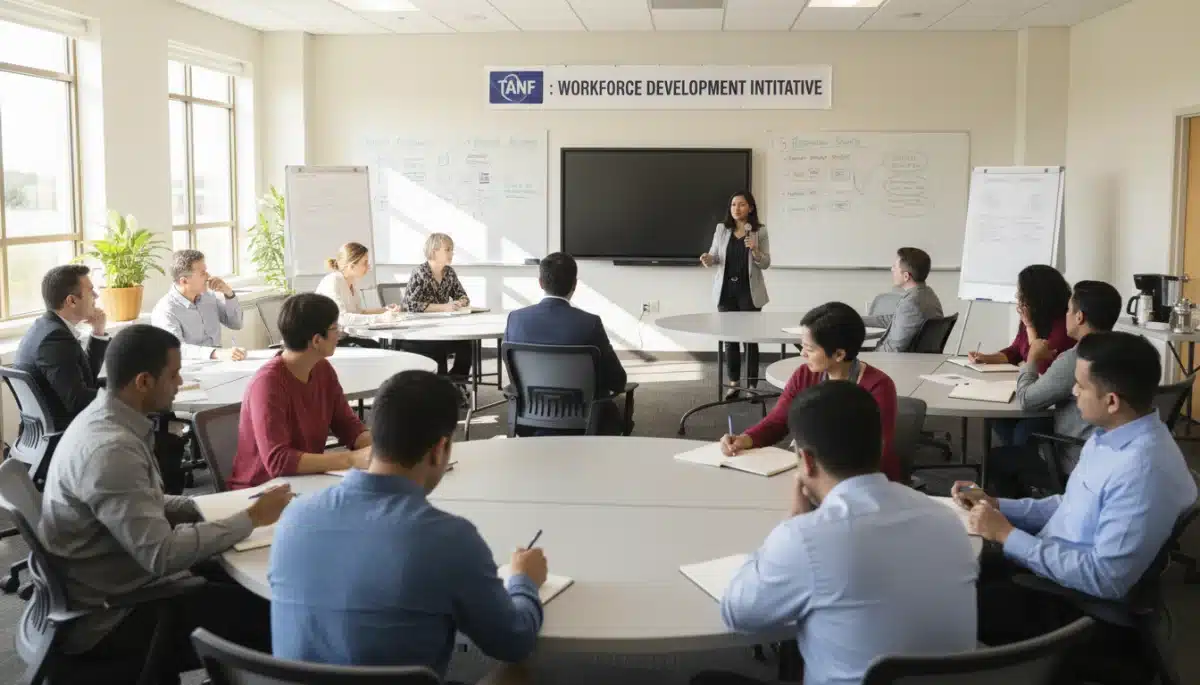
A core component of TANF is its emphasis on job training and employment assistance, designed to help recipients transition from welfare to work.
These programs are tailored to improve marketable skills, enhance employability, and ultimately foster financial independence. Participation in these initiatives is often a condition for receiving benefits.
The types of job training available can vary widely, from vocational courses and GED preparation to resume building workshops and interview coaching.
States often partner with local community colleges, workforce development boards, and non-profit organizations to provide these services. These collaborations ensure a diverse range of training opportunities.
Engaging in these training programs not only fulfills TANF requirements but also offers invaluable opportunities for personal and professional growth.
They are designed to equip individuals with the tools needed to secure stable employment. The job training aspect is a critical element of The Latest on TANF Benefits.

Types of Training and Support Services
Job training programs under TANF encompass a broad spectrum of activities aimed at enhancing employment prospects.
These can include basic education, English as a Second Language (ESL) courses, and specific vocational training in high-demand fields like healthcare, IT, or manufacturing. The goal is to match individuals with relevant skills for available jobs.
- Vocational training in high-demand industries.
- GED and adult basic education courses.
- Resume writing and interview preparation workshops.
- Job search assistance and placement services.
Beyond training, many programs offer supportive services such as childcare assistance, transportation aid, and counseling.
These services address common barriers to employment, enabling participants to focus on their training and job search. Such comprehensive support is vital for successful transitions.
Work Requirements and Time Limits
Federal law imposes a 60-month (five-year) lifetime limit on receiving federally funded TANF benefits, though states can set shorter limits.
Additionally, adult recipients are generally required to participate in work-related activities for a certain number of hours per week. These requirements are designed to encourage timely employment.
Work activities can include unsubsidized or subsidized employment, on-the-job training, community service, or vocational education.
States have some discretion in defining what constitutes a work activity and how many hours are required. Understanding these stipulations is crucial for compliance and continued eligibility.
Exemptions from work requirements may exist for individuals with disabilities, those caring for young children, or other specific circumstances. It is important to discuss any potential exemptions with a caseworker.
Adhering to work requirements and time limits is essential for beneficiaries of The Latest on TANF Benefits.
Challenges and Opportunities in the Evolving Landscape
While TANF provides essential support, the program faces ongoing challenges, including fluctuating economic conditions and evolving workforce demands.
States continually adapt their strategies to address these issues, striving to maximize the impact of available funds. These challenges also present opportunities for innovation and improvement within the system.
One significant challenge is ensuring that job training programs effectively prepare individuals for sustainable employment in a rapidly changing economy.
This requires continuous assessment of labor market needs and adjustment of training curricula.
The effectiveness of The Latest on TANF Benefits. hinges on its ability to respond to these shifts.
Opportunities arise from technological advancements, which can streamline application processes and deliver training more efficiently.
Furthermore, increased collaboration between state agencies, employers, and community organizations can create more robust pathways to self-sufficiency. These partnerships are key to overcoming systemic hurdles.
Addressing Economic Disparities and Poverty
TANF plays a critical role in addressing economic disparities and alleviating poverty, particularly for vulnerable families.
The program’s design allows states to target specific interventions to communities most in need, though the effectiveness varies. Continuous evaluation is necessary to ensure the program meets its objectives.
The impact of TANF extends beyond direct financial aid, contributing to a broader social safety net that includes food assistance, housing support, and healthcare.
These interconnected programs work in concert to provide comprehensive support. Their combined efforts are crucial for improving overall family well-being.
Policy discussions often center on how TANF can be made more responsive to the root causes of poverty, rather than just treating its symptoms.
This involves exploring long-term solutions that promote economic mobility and break cycles of intergenerational poverty. These discussions are integral to the future of The Latest on TANF Benefits.
Future Outlook and Policy Debates
The future of TANF is a subject of ongoing policy debates, with discussions focusing on areas such as funding levels, program flexibility, and the balance between work requirements and supportive services.
These debates reflect different philosophies on government’s role in welfare. The outcome of these discussions will shape the program significantly.
Advocates often call for increased funding and greater flexibility for states to address unique local needs, while others emphasize stricter accountability and stronger work incentives.
These varying perspectives contribute to a dynamic policy environment. Understanding these debates helps to anticipate future changes.
As 2026 approaches, stakeholders will continue to monitor legislative proposals and administrative changes at both federal and state levels.
The goal is to ensure that TANF remains an effective tool for supporting families and promoting economic independence. The ongoing evolution of The Latest on TANF Benefits. is a testament to its importance.
Maximizing Your Benefits: Tips for Applicants
To make the most of TANF benefits, prospective and current recipients should proactively engage with their local welfare agencies.
Staying informed about program rules, meeting all deadlines, and actively participating in required activities are crucial steps. These actions ensure continuous access to support.
It is also highly recommended to seek out additional resources and support services beyond what TANF directly provides.
Many community organizations offer complementary assistance, such as financial literacy courses, housing support, and mental health services. These can significantly enhance the overall impact of the benefits received.
Maintaining open communication with caseworkers and promptly reporting any changes in circumstances will prevent potential issues and ensure that benefits are adjusted appropriately.
Being proactive and informed is key to successfully navigating The Latest on TANF Benefits.
Utilizing Available Resources and Support
Beyond financial aid, TANF often connects recipients with a network of support services designed to address various needs.
These can include child care subsidies, transportation assistance for work or training, and referrals to housing programs. It’s important to inquire about all available resources.
Many states also offer case management services, where a caseworker helps develop a personalized plan for achieving self-sufficiency.
This plan often integrates job training, educational goals, and strategies for overcoming personal barriers. Leveraging these resources can significantly accelerate progress.
Community centers, non-profit organizations, and local government agencies often provide additional support that complements TANF.
Exploring these local options can uncover valuable assistance, from food banks to legal aid, which can further stabilize family situations. These resources are critical for those accessing The Latest on TANF Benefits for 2026.
Staying Informed and Advocating for Your Needs
The landscape of social welfare programs is dynamic, with policies and regulations subject to change. Therefore, staying continuously informed about updates to TANF benefits, both federally and at the state level, is paramount.
Regularly checking official government websites and news sources can help.
Don’t hesitate to ask questions and advocate for your needs with your caseworker or other program representatives.
Understanding your rights and responsibilities as a recipient is empowering. If you encounter difficulties, seek assistance from legal aid services or community advocacy groups.
Active engagement and informed advocacy can ensure that you receive the full scope of benefits and support available to you.
Your proactive approach is a vital component in successfully navigating The Latest on TANF Benefits.
| Key Point | Brief Description |
|---|---|
| Program Overview | TANF provides temporary financial aid and services for needy families, promoting self-sufficiency. |
| 2026 Changes | Anticipated adjustments in eligibility, work requirements, and job training programs. |
| Application Process | Requires documentation, state-specific navigation, and often an interview. |
| Job Training | Mandatory component, offering vocational skills, education, and employment support. |
Frequently Asked Questions About TANF Benefits 2026
TANF, or Temporary Assistance for Needy Families, is a federal program providing financial aid and support services to low-income families with children. Its primary goal is to help these families achieve economic self-sufficiency through work and job training, reducing reliance on public assistance.
To apply for TANF Benefits in 2026, you typically contact your state’s welfare agency. The process usually involves submitting an application, providing documentation of income and family size, and completing an interview. Specific steps and requirements vary by state, so check local guidelines.
TANF job training programs are diverse, including vocational education, GED preparation, resume building, and interview skills workshops. These are designed to equip recipients with marketable skills for current job markets. The specific training offerings depend on state programs and local partnerships.
Yes, adult TANF recipients are generally required to participate in work-related activities for a set number of hours per week. These activities can include employment, job training, or community service. There are lifetime limits on receiving benefits, and exemptions may apply in certain situations.
While specific changes are still under discussion, 2026 may bring adjustments to work requirements, eligibility criteria, and funding for job training programs. These changes aim to enhance program effectiveness and responsiveness to economic conditions. It is essential to monitor federal and state announcements for precise updates.
Looking Ahead: The Future of TANF Support
The continuous evolution of TANF reflects ongoing efforts to adapt social safety nets to contemporary economic realities.
As 2026 approaches, the focus remains on enhancing the program’s effectiveness in fostering self-sufficiency and reducing poverty.
Families and advocates must stay vigilant, monitoring policy shifts and advocating for robust support systems.
The discussions surrounding The Latest on TANF Benefits for 2026: How to Access Temporary Financial Assistance and Job Training Programs will undoubtedly shape how vulnerable populations access critical aid and opportunities.
Understanding these dynamics is crucial for all stakeholders, from policymakers to individual beneficiaries. The program’s future depends on informed engagement.
Ultimately, the goal is to create a more resilient and responsive system that truly empowers families to thrive independently.
The insights gained from this comprehensive overview should serve as a valuable guide in navigating the complexities of TANF and its impending changes.
To evaluate all available federal financial resources, compare different localized state welfare directories, and check broader eligibility standards for healthcare, housing, and nutrition assistance, explore the comprehensive official guide at the USA.gov Government Welfare Benefits Hub.