WIC Benefits 2026: Eligibility, Access, and Nutritional Support
Anúncios
In 2026, the WIC (Women, Infants, and Children) program is undergoing a major transformation to support over 6 million families.
Federal mandates now prioritize “Nutritional Personalization,” replacing rigid food packages with flexible options like plant-based milks and expanded cultural staples.
By streamlining eligibility and increasing fruit and vegetable benefits, the program is shifting toward a more modern, science-based approach to address food insecurity and public health nationwide.
Anticipated Expansion of WIC Benefits in 2026
The Special Supplemental Nutrition Program for Women, Infants, and Children (WIC) is poised for significant changes in 2026, aiming to broaden its reach and impact.
These upcoming adjustments reflect a national effort to combat food insecurity and improve health outcomes for vulnerable populations.
Anúncios
Federal agencies, in collaboration with state and local partners, are finalizing the parameters for expanded eligibility.
The goal is to ensure that more pregnant, postpartum, and breastfeeding individuals, as well as infants and young children, receive the critical nutritional support they need.
This expansion is not merely about increasing the number of participants but also enhancing the quality and accessibility of benefits.
Policymakers are addressing long-standing barriers that have prevented eligible families from accessing the program effectively.
Key Changes in Eligibility Criteria
For 2026, the primary focus of WIC reforms includes revising income thresholds and simplifying application processes.
These modifications are designed to bring more families into the program who are currently on the cusp of eligibility but face financial hardship.
New guidelines are expected to align WIC’s income requirements more closely with other federal assistance programs, creating a more cohesive and accessible safety net.
Anúncios
This harmonization aims to reduce confusion and streamline the enrollment experience for applicants.
Additionally, particular attention is being paid to families experiencing temporary financial setbacks or those in underserved rural and urban areas.
The objective is to make WIC a more responsive and inclusive program for all who qualify.
Revised Income Thresholds and Their Impact
- The federal poverty level (FPL) percentage that determines WIC eligibility is under review, potentially increasing to include more low-income families.
- State agencies will receive updated directives to implement these new thresholds, ensuring uniformity and fairness across jurisdictions.
- This adjustment is projected to add hundreds of thousands of new participants, significantly expanding the program’s demographic reach.
The revised income thresholds represent a critical step toward ensuring that WIC benefits reach those who need them most. This proactive approach aims to prevent nutritional deficiencies before they escalate into more severe health issues.
Enhancing Access to Nutritional Support
Beyond eligibility, improvements in service delivery and technology are central to the 2026 WIC agenda. Efforts are underway to make the program more user-friendly, from application to benefit redemption.
Digital platforms and mobile applications are being developed or enhanced to simplify the enrollment process and provide participants with real-time information about their benefits.
This technological push seeks to reduce administrative burdens and increase convenience.
Furthermore, WIC clinics are exploring flexible scheduling options, telehealth services, and community outreach initiatives to bring services closer to families.
These measures are vital for overcoming geographical and logistical challenges.
Streamlining Application and Enrollment Processes
- Online application portals are becoming more prevalent, allowing families to apply from home and reducing the need for in-person visits.
- Documentation requirements are being simplified, with a focus on inter-agency data sharing to minimize repetitive paperwork for applicants.
- Community navigators and outreach workers will play a crucial role in assisting families through the application process, particularly in hard-to-reach areas.
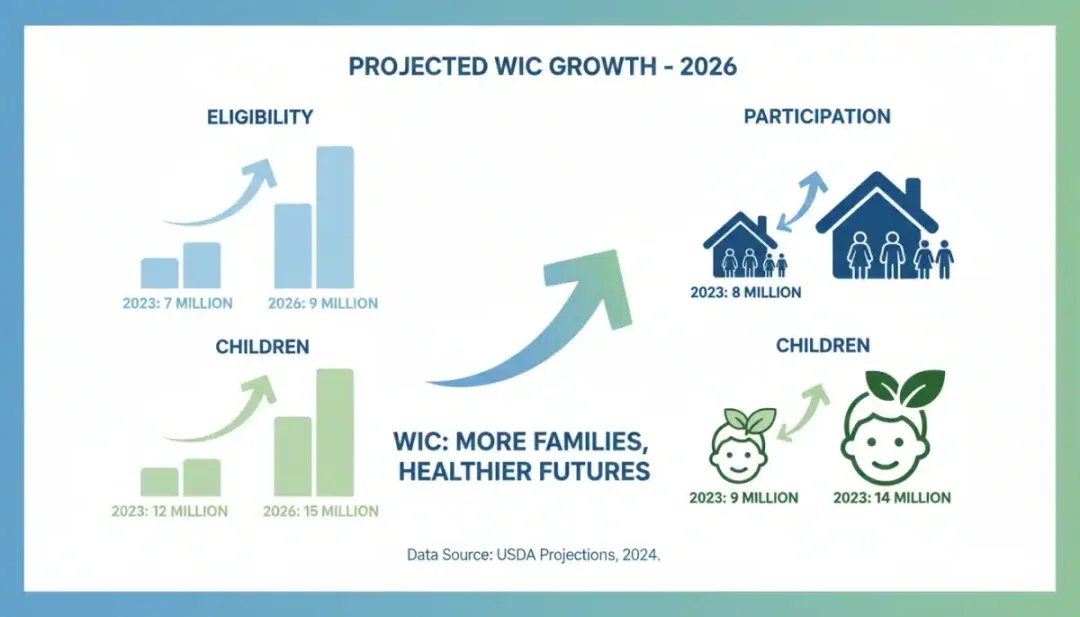
These streamlined processes are essential for ensuring that the expanded WIC Benefits 2026 can be fully utilized by eligible families. Accessibility is as important as eligibility in achieving the program’s objectives.
Expected Impact on Over 6 Million Families
The aggregate effect of these changes is expected to provide nutritional support to over 6 million families, a substantial increase from current participation levels.
This expansion represents a significant investment in public health and child development.
For participating families, WIC offers access to nutritious foods, nutrition education, and breastfeeding support, all crucial for the healthy development of infants and young children.
The program’s holistic approach addresses multiple facets of well-being.
The long-term benefits include improved birth outcomes, reduced rates of childhood obesity, and enhanced cognitive development.
These positive impacts extend beyond individual families, contributing to a healthier and more productive society.
WIC’s Role in Public Health and Child Development
- WIC provides a foundation for healthy eating habits from an early age, influencing dietary choices throughout life.
- The program’s nutrition education components empower parents with knowledge and skills to make informed food decisions for their families.
- Breastfeeding support services are critical for promoting optimal infant health and reducing healthcare costs.
The anticipated impact of WIC Benefits 2026 underscores the program’s vital role as a cornerstone of public health infrastructure. Investing in early nutrition yields substantial returns for communities.
Addressing Food Insecurity and Health Disparities
A core objective of the WIC expansion is to directly address pervasive issues of food insecurity and health disparities across the United States. These challenges disproportionately affect low-income communities and minority groups.
By increasing access to healthy foods and nutritional guidance, WIC helps bridge the gap in food access that many families face.
This intervention is particularly critical in areas designated as food deserts, where access to fresh, affordable produce is limited.
The program also plays a crucial role in mitigating health disparities by promoting preventive health measures and early interventions.
Ensuring adequate nutrition during critical developmental stages can prevent chronic health conditions later in life.
Targeting Underserved Communities
- Specific outreach initiatives are being planned to reach remote rural areas and densely populated urban centers with limited WIC access points.
- Partnerships with community organizations and healthcare providers are being strengthened to identify and enroll eligible families more effectively.
- Culturally sensitive nutrition education materials and language services are being developed to cater to diverse participant needs.
These targeted efforts are essential for ensuring that the benefits of WIC Benefits 2026 are equitably distributed, reaching every family in need regardless of their location or background.
Future of WIC: Sustainability and Long-Term Goals
As WIC prepares for its 2026 expansion, discussions are also focusing on the program’s long-term sustainability and evolving goals.
Policymakers are examining funding mechanisms and program innovations to ensure its continued effectiveness.
The integration of WIC services with other federal and state programs is a key strategy for creating a more comprehensive support system for families.
This collaborative approach aims to maximize resources and enhance overall impact.
Ongoing research and evaluation will be critical for monitoring the effectiveness of the expanded WIC Benefits 2026 and informing future policy decisions.
Data-driven insights will ensure the program remains responsive to the changing needs of its participants.
Innovations and Program Adaptations
- Pilot programs exploring new food packages and delivery methods are underway to better meet the dietary preferences and needs of diverse populations.
- Technological advancements, such as digital benefit cards, are being rolled out to improve the efficiency and security of benefit redemption.
- Enhanced training for WIC staff will focus on cultural competency and trauma-informed care, ensuring sensitive and effective service delivery.

These innovations and adaptations are vital for the enduring success of WIC, ensuring that it remains a dynamic and impactful program for generations to come. The future of WIC Benefits 2026 looks promising.
Challenges and Implementation Hurdles for WIC
Despite the positive outlook for WIC Benefits 2026, implementation will not be without its challenges. Ensuring a smooth transition for expanded eligibility and enhanced access requires careful planning and execution.
One significant hurdle is securing adequate and consistent funding to support the increased number of participants and program services. Federal appropriations must keep pace with the growing demand to avoid service disruptions.
Additionally, state and local WIC agencies will need robust support for staffing, training, and technological upgrades to manage the expansion effectively. Overcoming these operational challenges is crucial for the program’s success.
Overcoming Operational Obstacles
- Advocacy efforts are ongoing to ensure robust federal funding commitments that match the ambitious goals of the expanded WIC program.
- Technical assistance and grants will be provided to state agencies to facilitate the adoption of new technologies and best practices.
- A comprehensive communication strategy is being developed to inform both current and potential participants about the upcoming changes and how to access them.
Addressing these challenges proactively will be essential to realize the full potential of WIC Benefits 2026. Collaboration among all stakeholders will be key to navigating these complexities successfully.
| Key Aspect | Description |
|---|---|
| Eligibility Expansion | Revised income thresholds and simplified processes to include more families. |
| Access Improvement | Enhanced digital tools, flexible services, and community outreach for easier participation. |
| Family Impact | Over 6 million families expected to receive vital nutritional support and education. |
| Program Goals | Combat food insecurity, reduce health disparities, and promote child development. |
Frequently Asked Questions About WIC Benefits 2026
What are the main changes to WIC eligibility in 2026?▼The primary changes involve revised income thresholds, aiming to align WIC more closely with other federal programs. This expansion is designed to make WIC Benefits 2026 accessible to more low-income families, ensuring broader coverage for those in need of nutritional support.
How will WIC access be improved for families?▼Access improvements for WIC Benefits 2026 include streamlined application processes, enhanced digital platforms, and increased community outreach. These efforts aim to reduce administrative burdens and make it easier for eligible families to enroll and utilize their benefits effectively.
How many families are expected to benefit from WIC in 2026?▼It is projected that over 6 million families will benefit from Understanding WIC Benefits in 2026: Expanding Eligibility and Access to Nutritional Support for Over 6 Million Families. This significant increase underscores the program’s expanded reach and commitment to supporting maternal and child nutrition.
What role does WIC play in addressing food insecurity?▼WIC is crucial in combating food insecurity by providing access to nutritious foods and nutrition education. The expanded WIC Benefits 2026 will further bolster these efforts, particularly in underserved communities, by ensuring vulnerable families receive essential dietary support.
What are the long-term goals of the WIC program’s expansion?▼The long-term goals of the WIC program’s expansion include improving public health outcomes, reducing health disparities, and fostering healthy child development. Understanding WIC Benefits in 2026: Expanding Eligibility and Access to Nutritional Support for Over 6 Million Families. aims for sustainable impact.
Looking Ahead: Implications and Future Monitoring
The anticipated changes to WIC Benefits 2026 represent a critical juncture for nutritional support programs in the United States.
These reforms aim to significantly broaden the program’s impact, reaching more families and addressing persistent issues of food insecurity and health disparities.
Stakeholders, including policymakers, public health officials, and community advocates, will closely monitor the implementation phases.
Key areas to watch include the effectiveness of new eligibility criteria in reaching target populations, the efficiency of streamlined access points, and the overall impact on public health indicators.
The success of these initiatives will largely depend on sustained funding and robust operational support for state and local WIC agencies.
As the program evolves, ongoing evaluation and adaptation will be essential to ensure that WIC remains a dynamic and responsive resource.
For a detailed look at how these expansions are currently rolling out, particularly in the West, you can read about how WIC just got better as California expands food benefits for nearly one million families.